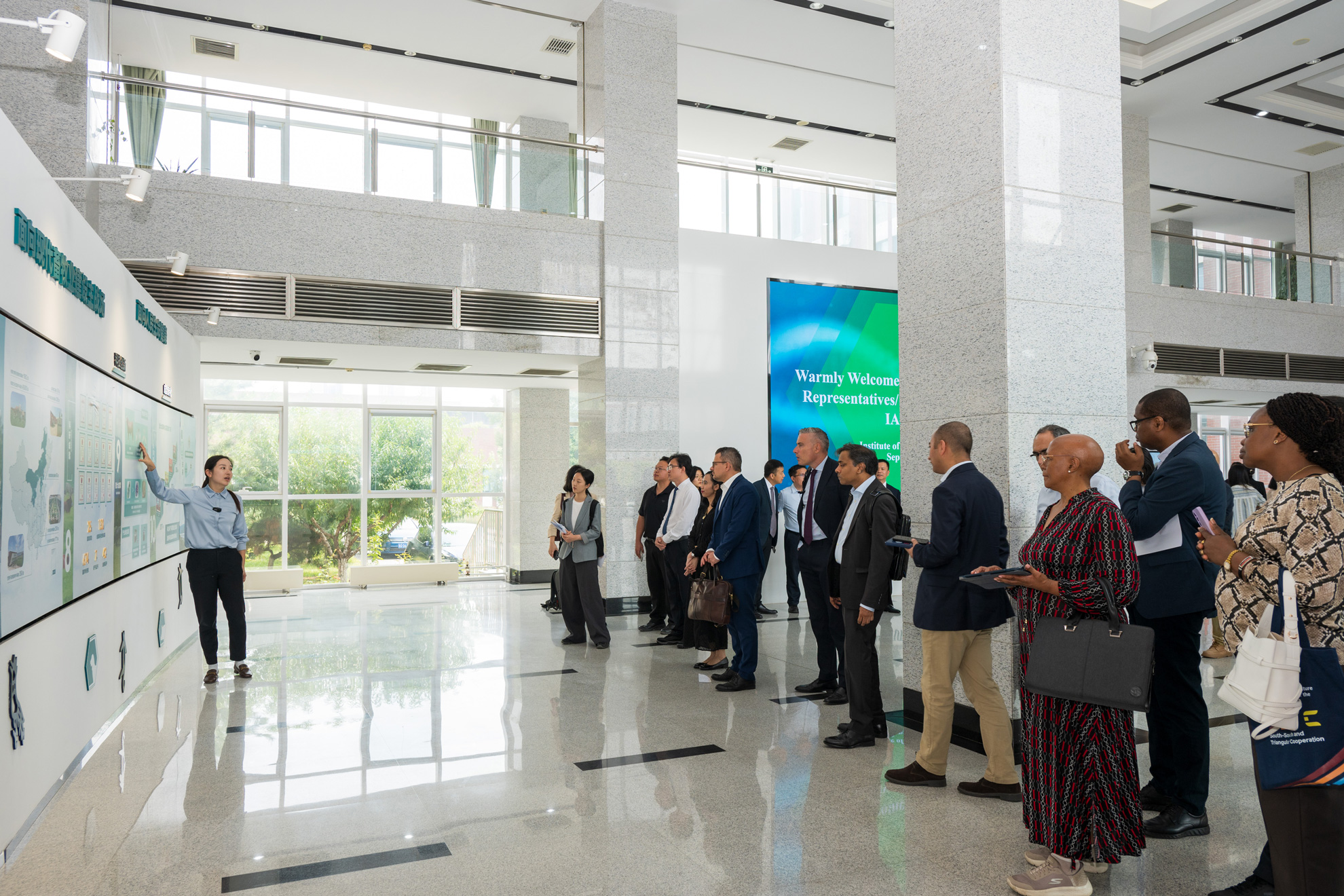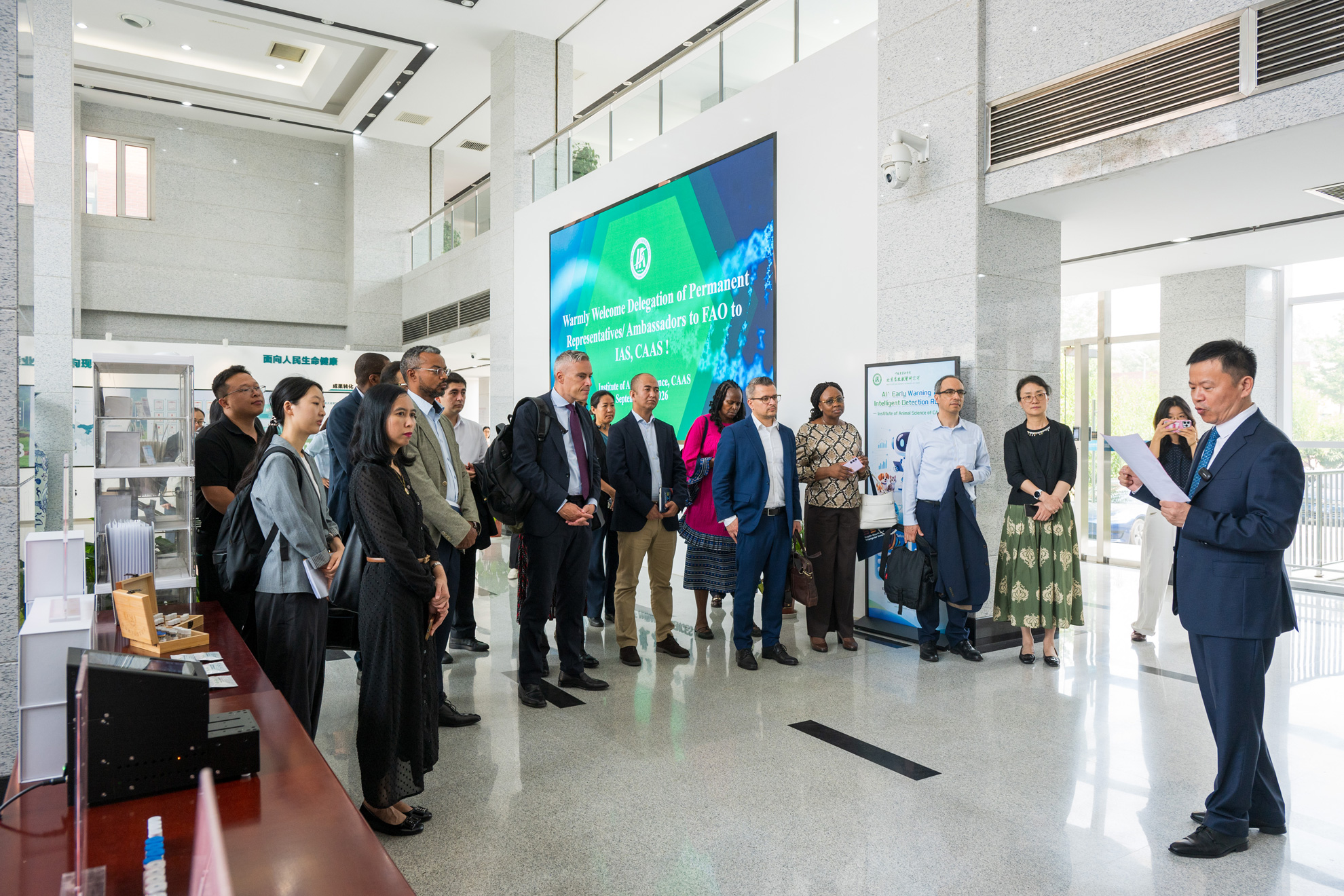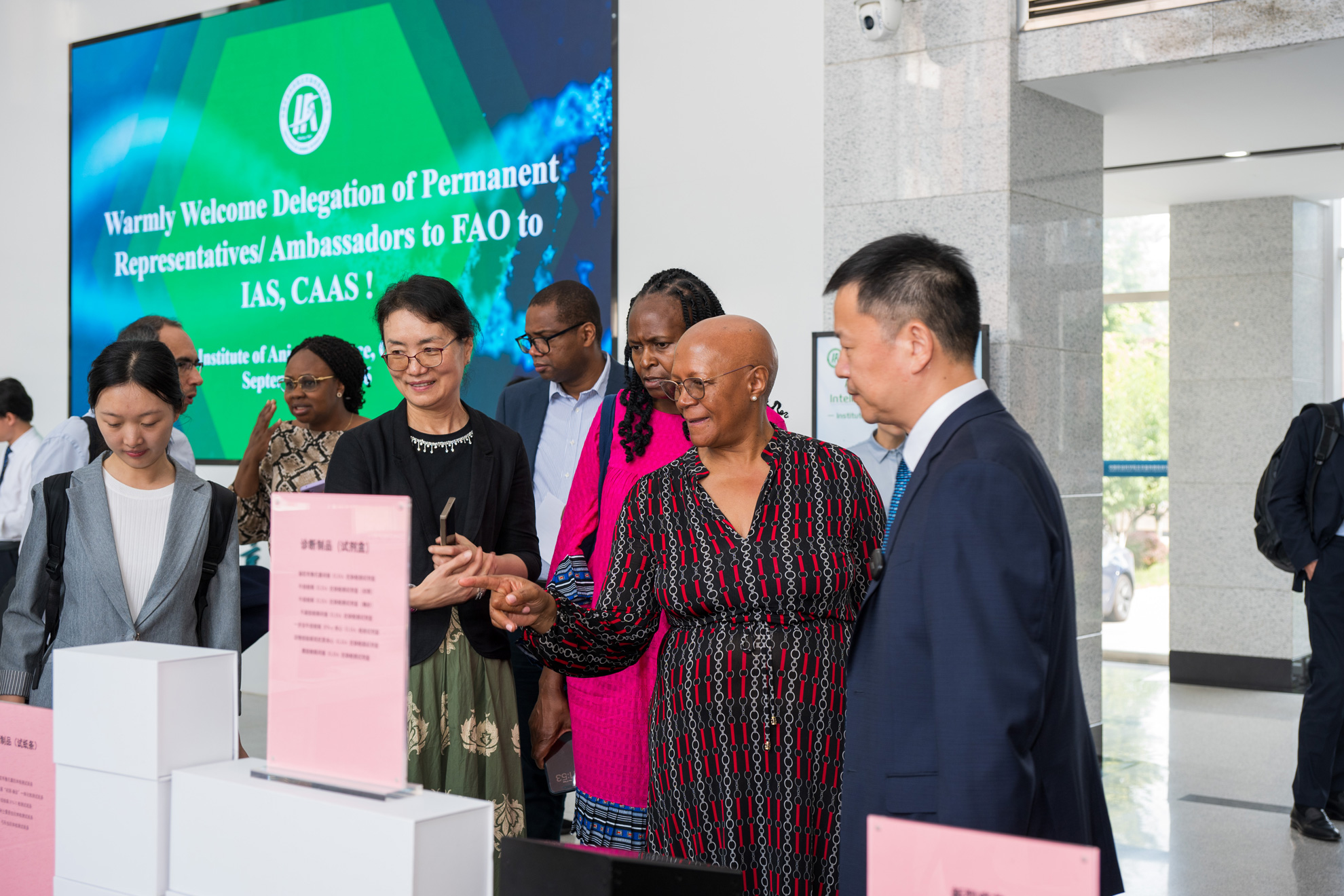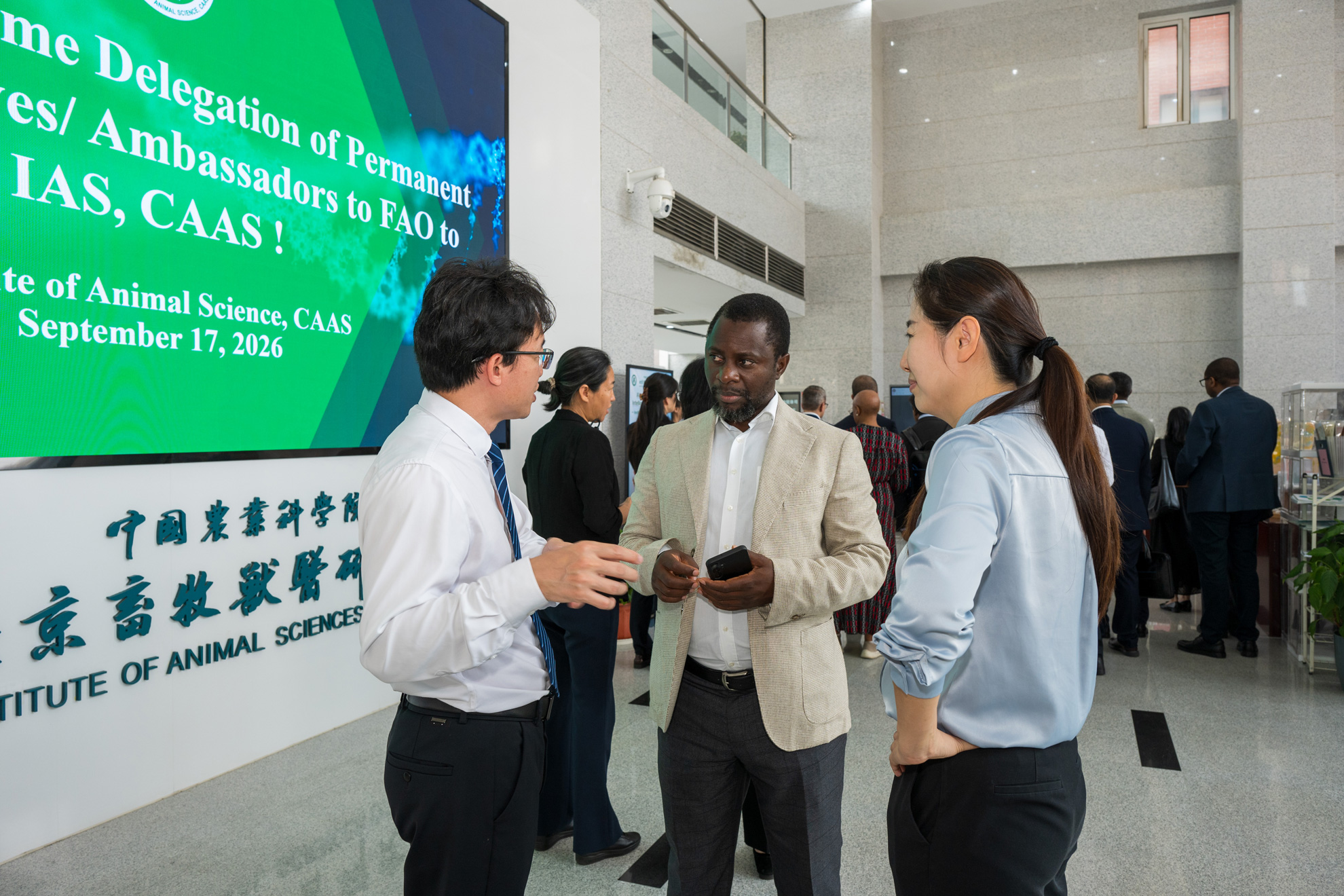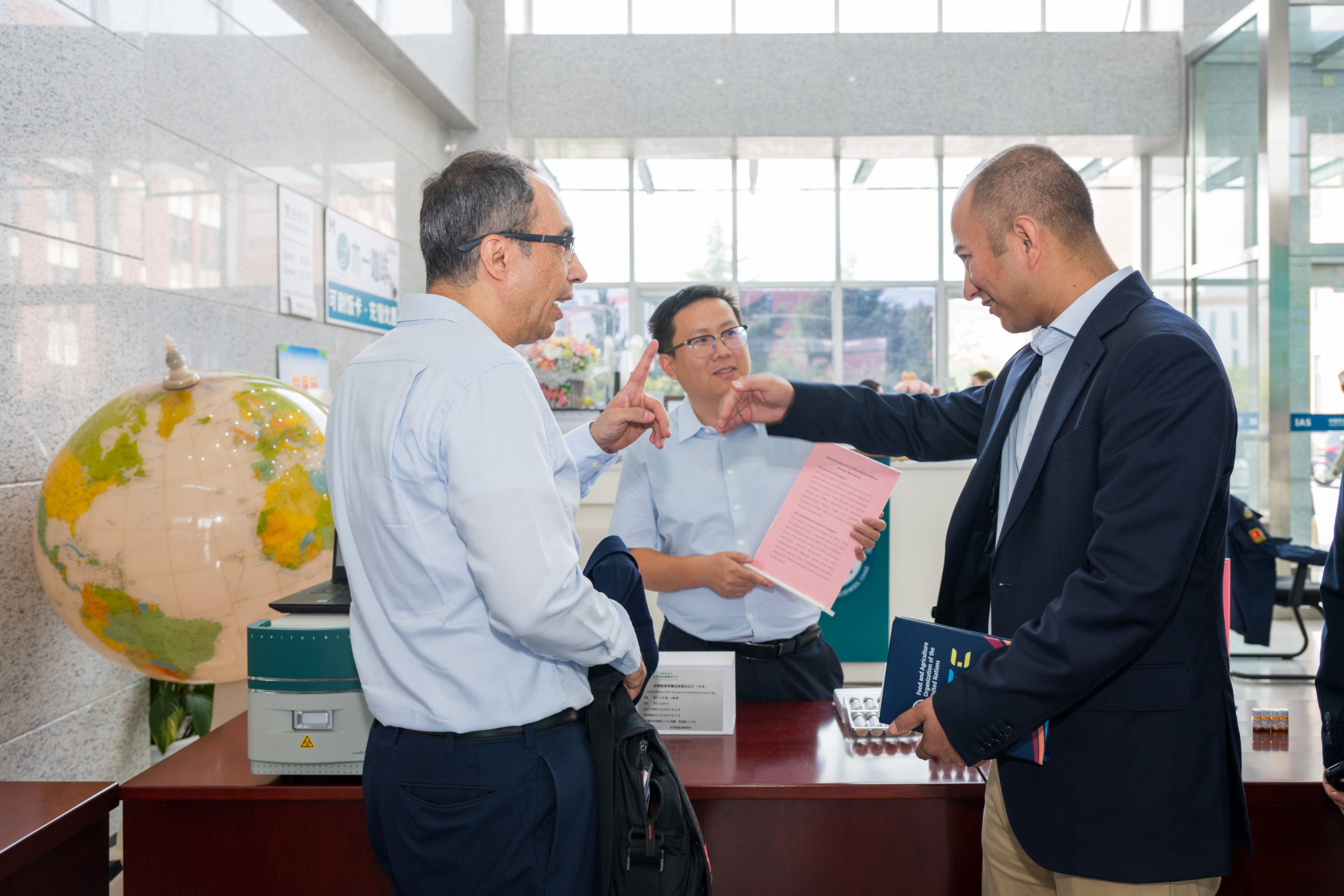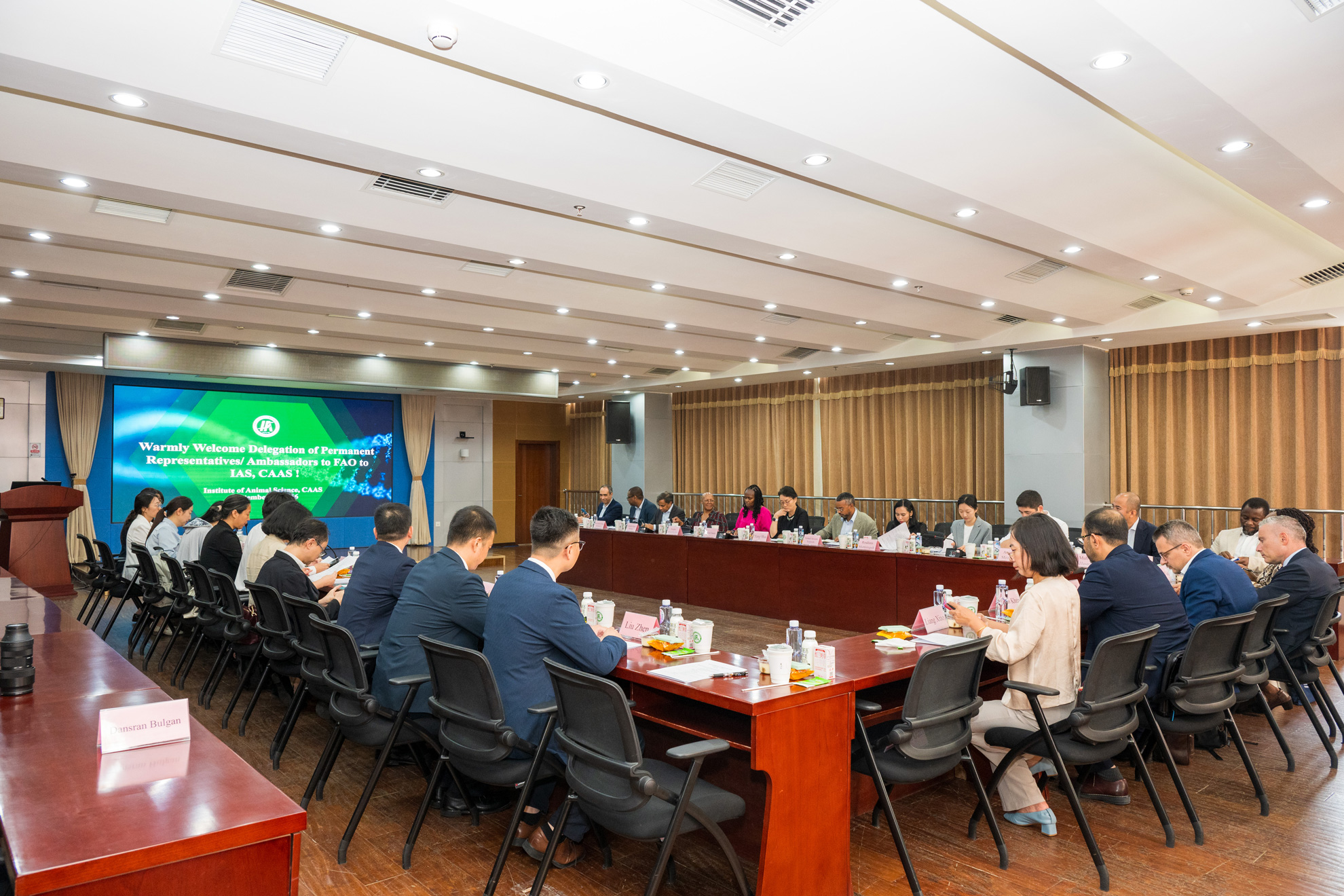


A high‑level delegation of the Food and Agriculture Organization of the United Nations (FAO) paid an official visit to the Institute of Animal Science (IAS), Chinese Academy of Agricultural Sciences (CAAS) on 17 September 2026. Officials from the Foreign Economic Cooperation Center of the Ministry of Agriculture and Rural Affairs and the Department of International Cooperation of CAAS also attended the exchange event.
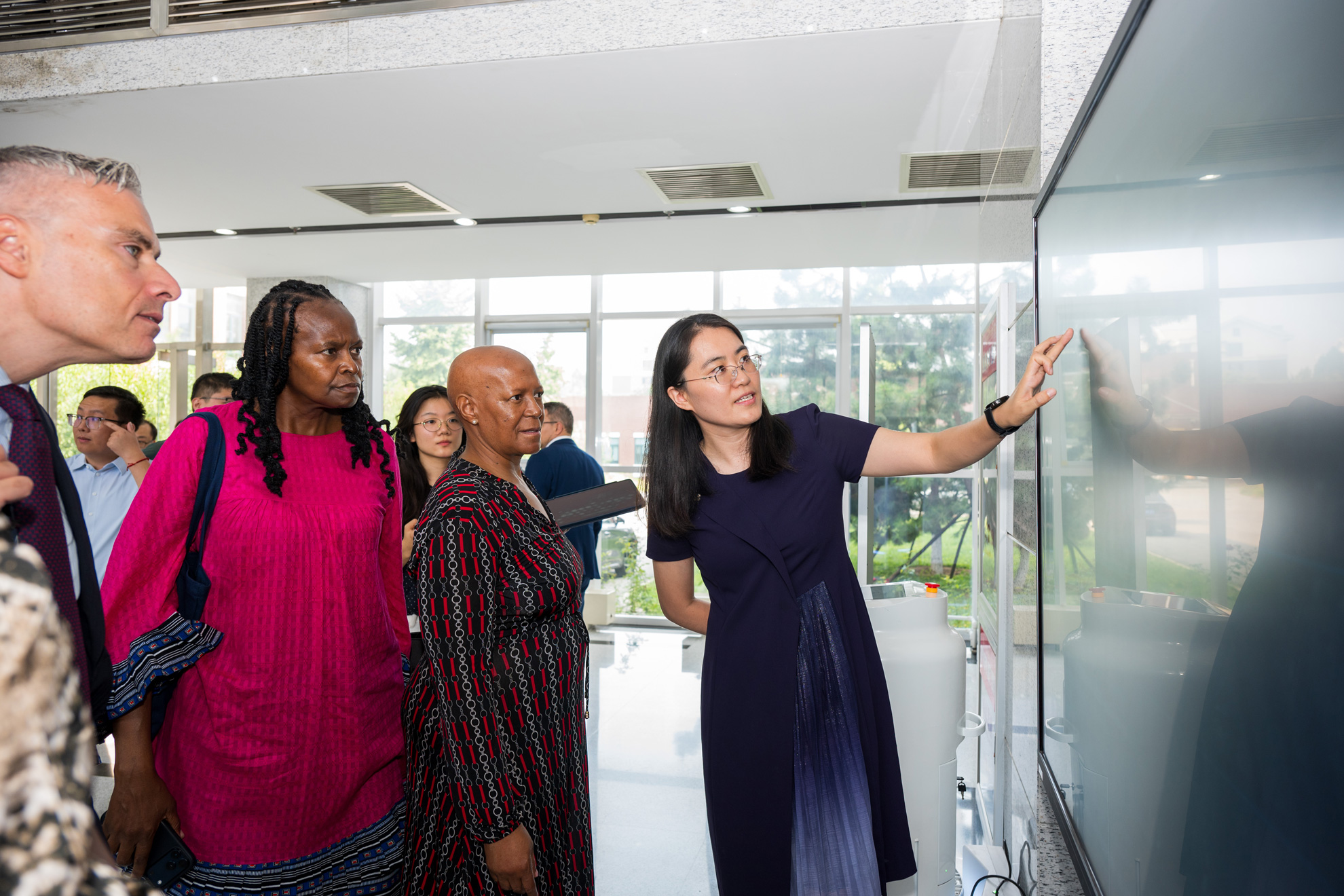
The delegation visited the digital exhibition hall of IAS, CAAS. They learned in detail about the institute’s scientific achievements and practical progress in animal biosafety and public health prevention and control, as well as the conservation and utilization of livestock and poultry germplasm resources. The delegation had in‑depth exchanges with research teams on key‑technology research, talent training and other topics, and spoke highly of IAS’s role in supporting the high‑quality development of China’s animal husbandry and veterinary industry and reinforcing the animal disease prevention and control barrier.
Both sides held in‑depth dialogues on multilateral agricultural cooperation under the framework of South‑South and Triangular Cooperation. The delegation noted that the livestock sectors in Africa, Southeast Asia and other regions are confronted with many practical challenges. It expressed the expectation to further expand South‑South cooperation with IAS. Drawing on China’s technical expertise, the cooperation will help meet the industrial capacity‑building and development needs of relevant partner countries. The Chinese side pointed out that platforms including the China‑Africa Agricultural Science and Technology Innovation Alliance and FAO South‑South Cooperation projects have laid a sound foundation for cooperation among all parties. There are broad prospects and opportunities for China and foreign partners, and the two sides exchanged views on practical cooperation priorities such as technical exchanges, joint scientific research and talent training.
All parties agreed to make full use of existing cooperation mechanisms, continuously advance practical cooperation, leverage respective strengths, and jointly contribute to the development of global animal husbandry and world food security.